
Multi Grammy-Winning Producer/Mix Engineer on Making Classic Records in the Digital Era and Being a Slate Digital ‘OG’
Los Angeles, CA, August 19, 2026 —Producer/Engineer/Mixer Ross Hogarth is the sonic architect behind many celebrated albums by classic artists of the last few decades – including Van Halen, Gov’t Mule, Edgar Winter, The Black Crowes, Ziggy Marley, R.E.M., Keb’ Mo’, and Jewel. Hogarth’s success is rooted in his uncanny ability to dial into each artist’s creative sensibilities and draw out take-making performances with a no-nonsense, classically-minded approach to record making formed by his seminal experiences in the analog era. A key component of Hogarth’s modern digital workflow is the Slate Digital Virtual Mix Rack, a completely customizable collection of modeled analog channel strips that enable him to quickly craft inspiring, musical signal chains for every project.
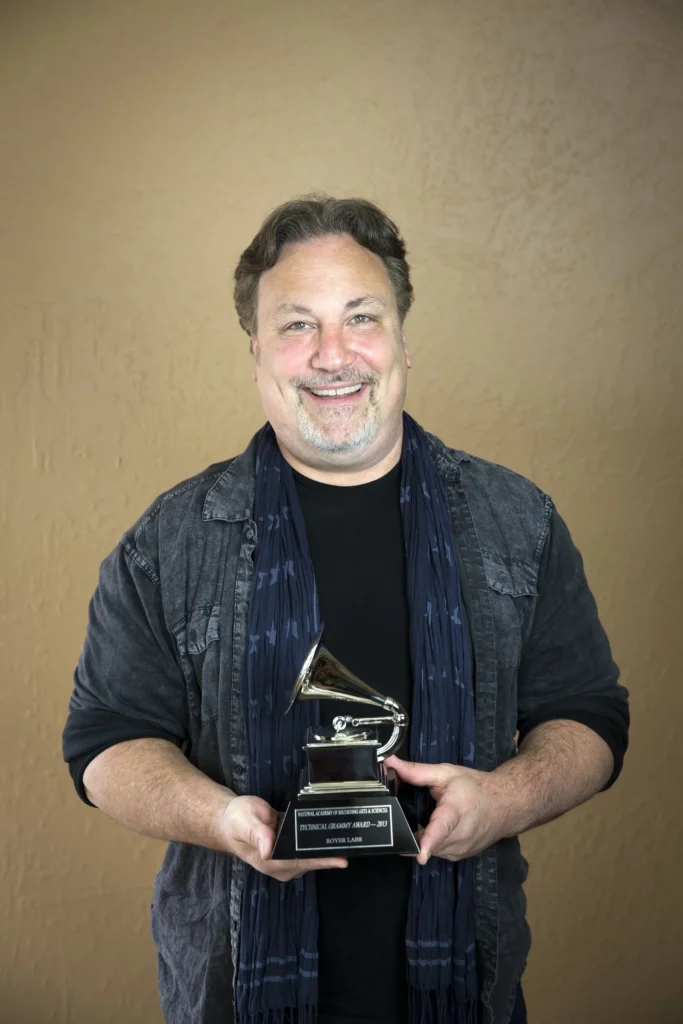
Crystalizing the Analog Approach with Virtual Mix Rack
Hogarth’s approach is decidedly old-school when it comes to making records. Although he’s been using Pro Tools and DAWs since they were first introduced, his methodology has never strayed far from what he values most – inspiring talented artists to give great performances. “I’m a classically trained engineer so the success of a session always comes down to the artist and building out sounds that bring out the best in what they can do,” he explains. “In the analog days that was fairly simple – you would plug in a few pieces of gear, choose a great microphone, and off you’d go! In the digital era it can be more complicated, but what I’ve found is that you can still work that way as long as you use a workflow that is focused and free of obsessive knob tweaking.”
“The key is choosing tools that are straightforward and musical. The original consoles just had a few knobs but the sound was there. I’m more interested in that than obsessively tweaking things – I hate science projects!”
A longtime Slate Digital user, Hogarth’s interest in the company grew organically out of his friendship with founder Steven Slate. Slate would test his new plugin ideas out on Hogarth and tweak them based on his suggestions and feedback.“Slate was one of the first brands to get good, musical results out of plugins,” he explains. “It wasn’t just about having a fancy GUI that matched the look of the analog hardware, but creating something that responded the same way and did the same things to the sound that you could predict and expect. It was clear that the understanding was there of how to get results that felt right quickly without a lot of knob turning and that was very interesting to me, so I was definitely on the ground floor as an ‘OG’ with that.”
“The Virtual Mix Rack was one of their first concepts that really crystallized that approach and I’m still using it today on literally every session.”
Straightforward musical results for framing great record
Hogarth will generally start work on a new project by loading up Virtual Mix Rack and choosing a new signal flow to suit the nature of the session. His self-described ‘console mindset’ dictates a focused choice of modules for the best results. “It’s a completely open architecture in terms of what you can choose – from the front end, to the eqs, compressors, whatever you need – but it’s incredibly fast and intuitive, which suits my more analog console mindset,” he explains. “I’ll create my own presets with all the classic sounds I know from my analog gear so that I can move quickly in a session and get to the creative part of record-making as quickly as possible.”
“There’s a lot of flexibility in there to get creative and turn things inside out sonically, but I’m only after that intermittently. I admire the guys that are absolutely fearless, but I’m more known as a guy who’s solid and can frame out what a record needs sonically to get the desired results.”
Framing records for Hogarth means choosing the right complimentary sounds that work together from the get-go, without requiring excessive mixing or post-EQing. He uses Virtual Mix Rack much like he’d assemble a classic analog chain and his experience dictates what flavors work best. “I still have all of my analog gear and those sounds and functions influence the choices I make with plugins in a digital workflow,” he says. “Do the plugins ever sound exactly the same as the real thing? Of course not, but they sound musical and get you in the right mindset so you can push ahead and focus on what really matters.”
“By doing that, I’m able to move the session forward and we focus on what we’re all there for, making records. It’s not about getting bogged down in micro details, it’s about making choices that elevate the creative process and lead you to a great moment that ends up being the take.”
“The Virtual Mix Rack is brilliant for what I need,” he concludes. “It’s super flexible and super intuitive and super easy to use, and has a lot of great choices all right there. Over the years they’ve also continued to improve it, which has kept it relevant in my workflow without losing what’s great about it. It creates results I can use, so it gets used every day!”
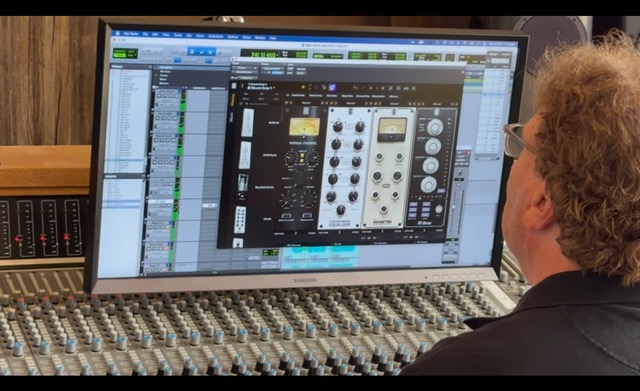
Straightforward musical results for framing great record
Hogarth Parallel Drum Crush
Virtual Channel – Custom series EQ – Monster – FG Stress
“I have for decades created a parallel drum bus for crushing the drums and blending them into the dry drums.In the VMR I’ve created an in the box solution that I have now used on every mix for quite a long time. It’s the perfect secret sauce to get my drums spanking and rocking.”
For more information about Ross Hogarth, please visit: https://www.hoaxproductions.com/
About Slate Digital
Slate Digital makes audio processing plugins, virtual instruments, modeling microphones, sample packs, and production tutorials for content creators, music producers and engineers. Founded in 2010 with the goal of empowering audio producers at all levels of experience to create great-sounding music, their innovative products and industry-leading Complete Access subscription have been recognized throughout the recording industry.